AI HITS THE MAINSTREAM
Artificial Intelligence (AI) has been a buzzword in business – logistics included – for the last decade. With the launch of ChatGPT, followed by a host of other new generative AI systems based on large language models, AI has definitely hit the mainstream. In their State of AI in 2023 report, McKinsey notes that 40% of companies are planning greater AI investments because of generative AI advancements.
The logistics industry is old. Humans have been organizing the transport of goods back and forth over land and sea for thousands of years. Even with the advancements of the past century – not the least of which is airfreight – the logistics industry and the global supply chain is ripe for incredible transformative change. From route planning to robotics, we’re on the cusp of a new, AI-powered future.
40% of companies are planning greater AI investments because of gen AI advancements.
AI technologies are already revolutionizing logistics operations, enhancing efficiency, accuracy, and customer satisfaction, and we’re really only at the very beginning of what might be possible. Of course, significant change always arrives hand in hand with significant challenges, and it remains to be seen how AI might impact the human labor market as well as privacy and security concerns.
Artificial intelligence in logistics has the potential to deliver optimized capabilities for planning and forecasting, increased productivity, lower operational costs, enhanced safety, faster delivery times and better customer service. AI’s ability to process vast amounts of data, make intelligent decisions and predict outcomes has made it a critical tool in the logistics sector. It comes as no surprise that industry giants like Amazon, FedEx, DHL, and UPS are already implementing the technology into their operations.
McKinsey further highlights the improvements possible with AI in logistics. For example, thanks to forecasting with AI, it is possible to reduce supply chain errors to 20-50%. At the same time, warehouse and administration costs can be decreased by 5% to 10% and 25% to 40%, respectively.
Applications of AI for the Logistics Industry
Route Optimization

AI-powered predictive analysis can bring incredible efficiency with real-time route optimization. And this isn’t a far-off improvement, it’s here already. DHL uses AI-powered route planning software to improve its shipping process. DHL highlights that AI enables faster deliveries with less fuel consumption, while their customers benefit from more accurate delivery time windows.
Proactive Maintenance

Leveraging machine learning for predictive maintenance, means forecasting repairs before they create disruptions on the road.
Paccar equips trucks with a combination of hardware and software allowing them to predict and address potential issues before they occur, so their fleet is optimized, trucks stay on the road and disturbances are almost eliminated.
Demand Forecasting

AI systems unlock the capacity to accurately predict demand by analyzing huge volumes of historical sales data, identifying complex patterns, extracting insights from product images, and analyzing customer search queries to understand evolving customer preferences.
Amazon employs deep learning, image recognition and natural language processing (NLP) capabilities to achieve accurate demand forecasting with machine learning.
Automated Warehousing
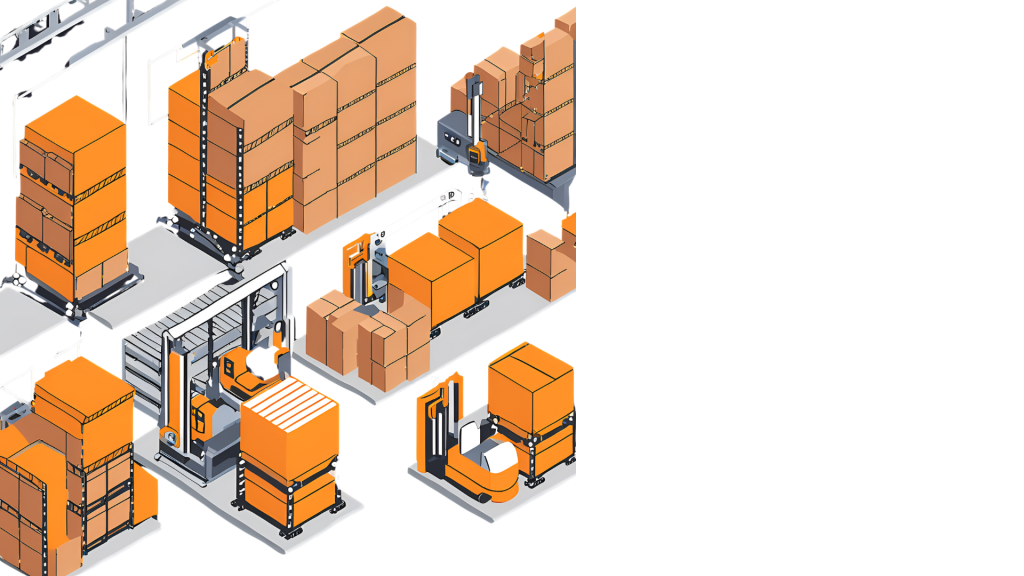
Robotic warehousing systems for order picking and sorting are being implemented to increase efficiency and accuracy in warehouse processes as well as reduce human error.
Amazon is at the forefront of robotic warehousing. The company has recently introduced several different robots in its warehouses that the e-commerce giant says will improve efficiency and reduce employee injuries.
Fraud Detection

One of the most prominent examples of fraud prevention in logistics is the DeliveryDefense system from UPS. Machine learning algorithms analyze historical data and assign each location a delivery confidence score.
Fleet Monitoring and Management

AI-integrated telematics software monitors driver performance, eliminating risk factors, improving expense management, reducing insurance costs and ensuring driver compliance to KPIs.
Driver Assist
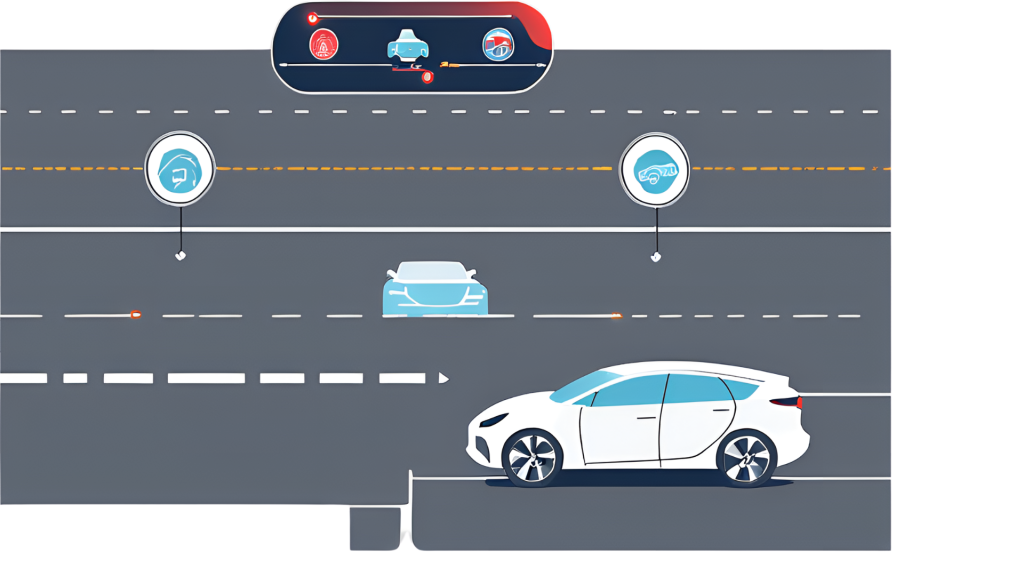
AI-powered driver assistance systems are another significant innovation. These systems can detect blind spots, warn drivers of potential collisions, and even apply emergency brakes if necessary. Automated driver assistance systems (ADAS) can reduce vehicle accidents by 44%.
Challenges
Even as the logistics industry embraces artificial intelligence and automation, a critical area of focus is the impact on jobs and the workforce. The shift towards more automated systems and processes has the potential to significantly reshape the labor landscape. An increasing reliance on technology and automated systems also potentially exposes businesses to data privacy and security risks. Join us at AirCargo 2025, where our session on Emerging Technology will explore the transformative potential of AI within the logistics industry, focusing on freight forwarders, airlines, airports and truckers. This insightful session will provide you with the knowledge and tools to leverage AI’s benefits while effectively managing its risks in the logistics industry.