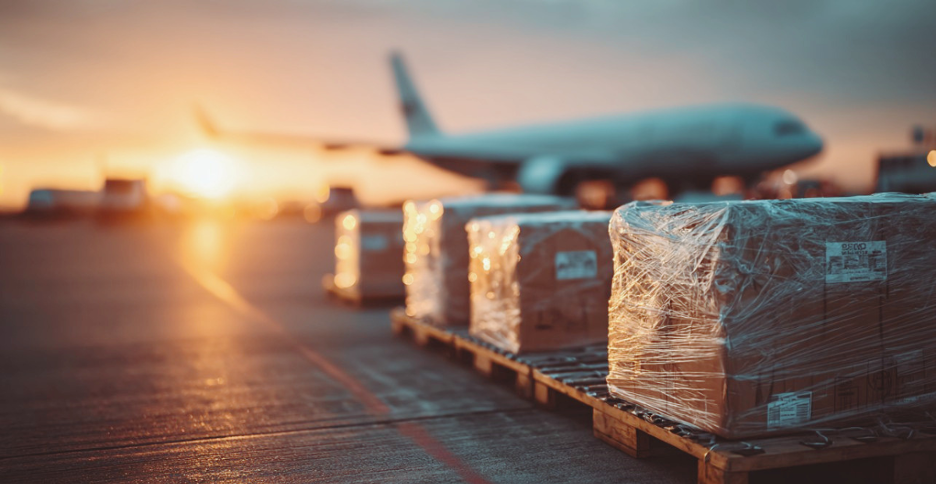
Have We Come Down Off the Early Peak Transport Season?
As the spooky season comes to a close, we’re all still in something of a holding pattern of uncertainty for the future. With a U.S. election hanging in the balance along with economic concerns, air cargo capacity is still tight, and freight rates remain higher year-on-year.
We all breathed a collective sigh of relief when the ILA announced, after a thankfully short three days, they had come to a preliminary agreement in the East Coast port strike action that had the potential for ominous consequences across the global transport sector. It appears the fallout from the strike has been negligible – in part thanks to supply chain operators forward planning to divert cargo to the West Coast and front load goods to mitigate any potential impact to their supply chain operations. Despite this, we’re still seeing pressure on air cargo capacity
So What Does This Capacity Crunch Mean for Air Cargo?
Will we see a softening of demand, or is capacity still under the crunch?
Gazing ahead, it’s harder than ever to see the future, let alone extend predictions out to 2025. The seemingly unstoppable rise in e-commerce demand experienced this year continues to put extra pressure on capacity. Some online marketplaces have signed deals directly with airlines, further reducing the availability of commercial flight capacity, particularly on routes from China to the U.S.
Sources have been suggesting for months that a lot of forward capacity for the upcoming peak was already sold out through block space agreements (BSAs) – which could mean spot prices surge in the runup to Thanksgiving and Christmas.
–Neil Wilson of TAC index
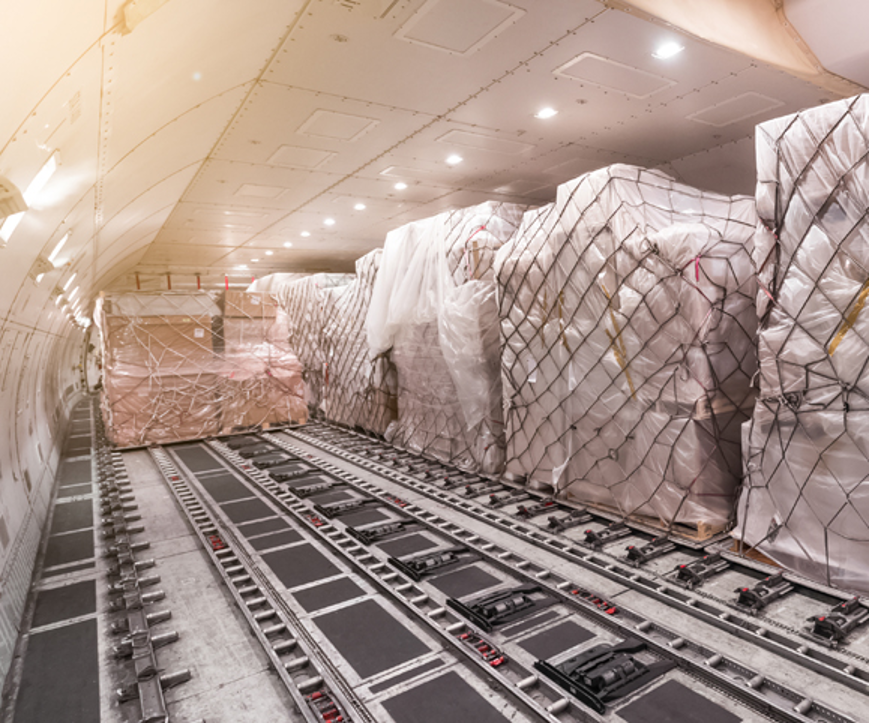
Consumer Electronics Demand
A significant product category contributing to the capacity demand is the consumer electronics market. Apple’s recently released iPhone 16 has hit the market, leading off a regular holiday season surge out of China along with other new product releases in the category.
Many signs point to a strong fourth quarter as e-commerce shipping continues apace with Shein, Temu and others gearing up for the Christmas season. It’s not just air cargo seeing an increasingly likely capacity crunch, the massive uptick in e-commerce driven shipping cascades down to last-mile carriers too.
The Final Mile Impact
Final mile delivery has quickly become the most complex and costly segment of the delivery chain. The last leg of a product’s journey from distribution center to its ultimate destination presents a unique set of challenges, especially entering peak season, when we see additional charges by carriers such as FedEx and UPS as well as increased pressures on capacity and service demands. Everybody wants their online orders delivered immediately, after all.
At every step in the global supply chain, individual operators are turning to the latest innovations in technology to improve capacity and reduce uncertainty. In particular, AI driven solutions are having a moment in the sun in global transport, just like every other aspect of our lives it would seem. Of course it remains to be seen how these innovations will play out over the future.
If a capacity crunch wasn’t enough for the transport industry to handle at the end of 2024, the upcoming U.S. election adds the final spice to the fall season. Both candidates have talked at length about potential trade policies, but just like the election itself, the actual outcome for businesses and the industry as a whole is completely up in the air.
There’s no doubt that the U.S. and global economy runs on the transport of goods, and increasingly those goods are moving from factory to buyer by aircraft.
At least that part of our future is clear.